Analysis of Strategies for Achieving Exhibition Goals
By Mehdi Ramazani, CEO of Markazi Province International Exhibitions Company
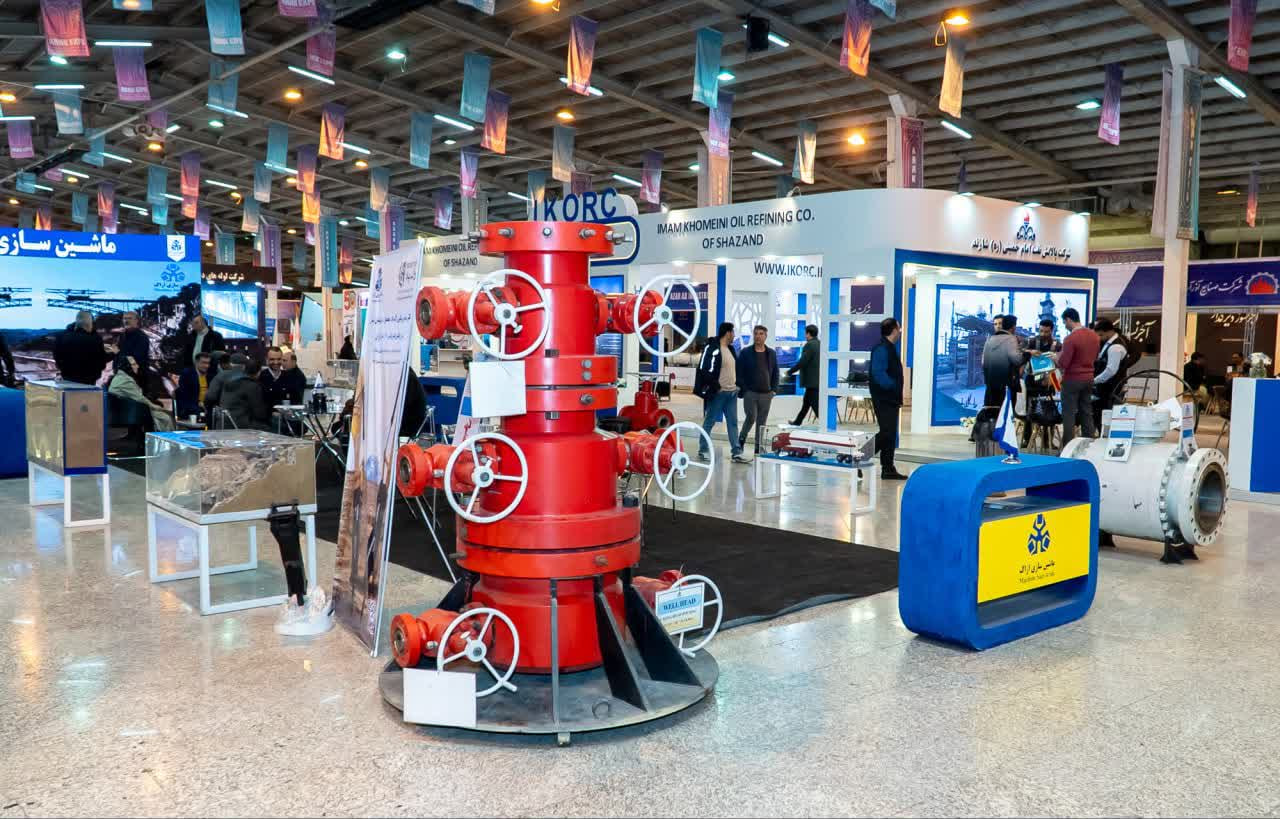
If we examine the fundamental philosophy of the exhibition industry, its primary purpose is to provide a platform for strategic interactions and relationships between individuals and businesses. Through this platform, economic cooperation is strengthened, equal partners achieve mutual benefits, national strategies are realized, and the country moves toward development.
To achieve this goal, exhibitions must be transformed into interactive and educational environments, engaging researchers in marketing, research and development, productivity enhancement, and specialized knowledge related to each exhibition’s theme. Thus, an exhibition should feature dedicated spaces for dialogue, collaboration, and idea exchange.
With this in mind, it must be acknowledged that, unfortunately, the current state of exhibitions in our country is far from the ideal model.
Exhibitions in Iran often function more like marketplaces.
If we categorize exhibitions by industry, those related to manufacturing, agriculture, information technology, and even food industries are in relatively better condition than those in fields such as culture and politics. Exhibitions in these sectors have made some progress toward an ideal model, yet they still have a long way to go.
An exhibition should be a place where serious interactions, long-term relationships, and sustainable collaborations are formed and maintained. Unfortunately, this is not the case. Instead, the situation is quite the opposite—despite the creativity and potential that exist among exhibition industry professionals.
In most cases, exhibitions have either turned into marketplaces for selling goods or platforms for showcasing reports of past achievements.
What Is the Solution?
It seems that by implementing a few key strategies, we can enhance the quality of exhibitions:
1. Stricter selection criteria for participants and exhibitors, ensuring that only specialized and distinguished individuals and organizations are granted entry. Exhibitions should prioritize reputable, influential, and professional companies rather than merely increasing the number of participants.
2. Creating dedicated spaces for dialogue and interaction, allowing companies to connect with each other, as well as with customers, officials, and other stakeholders. Many exhibitions lack even basic seating arrangements for visitors, let alone designated spaces for interaction. Additionally, the overcrowded, cluttered booths often do not allow exhibitors to provide a single chair for an important guest. In such conditions, how can an interactive environment be created—one where investors can engage with innovators, designers, and industry experts?
3. Establishing spaces for idea generation and exchange. In which of our exhibitions do we find a structured environment where ideas can be shared, discussed, refined, and connected with potential supporters and investors?
4. Creating dedicated areas for product and service presentations, separate from standard exhibition booths.
5. Providing platforms for industry discussions, allowing participants to address challenges and opportunities in their respective fields during the exhibition.
6. Developing infrastructure for economic collaborations among exhibition participants, such as inviting and accommodating consulting firms and legal service providers to facilitate business interactions.
7. Allocating space for marketing specialists, R&D teams, process improvement experts, and other industry professionals—not just companies with products—to contribute to the exhibition’s overall effectiveness and quality.
A Path That Is Both Simple and Challenging
Transforming exhibitions into dynamic environments that contribute to national development is not just an aspiration—it is a necessity. But will this hope ever become reality?
As long as exhibition strategies remain focused solely on revenue from booth rentals, the answer is no. However, alternative approaches may offer a better path forward.
We stand at a crossroads—an objective that is within reach with a slight shift in perspective. Yet, making this shift remains a challenging task.
Images